


Lunory-Sleek & Feature-Focused
1.512.00 Reviews
App Specs
- Version
- 1.1.1
- Updated On
- License
- Free
- Downloads
- 10,000+
- Developer
- VetraShort
- Categories
- Entertainment
- Platform
- Android
Screenshots
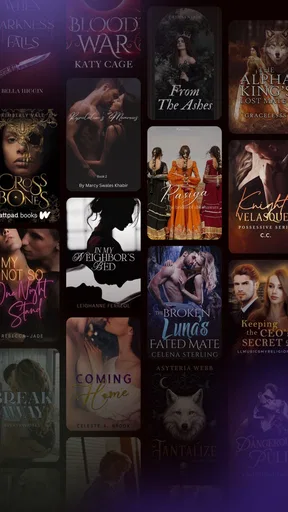
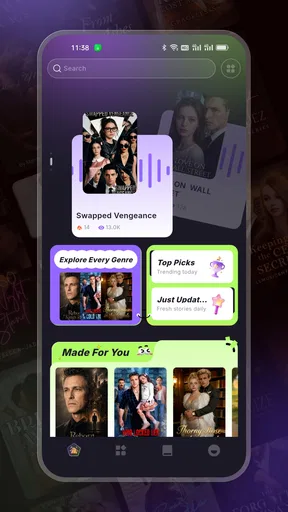
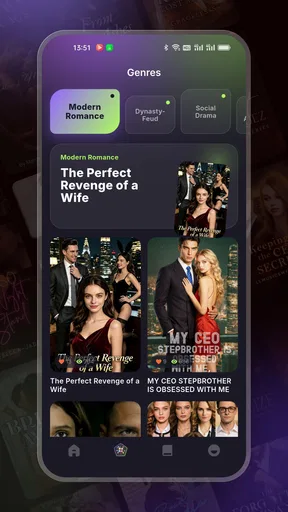
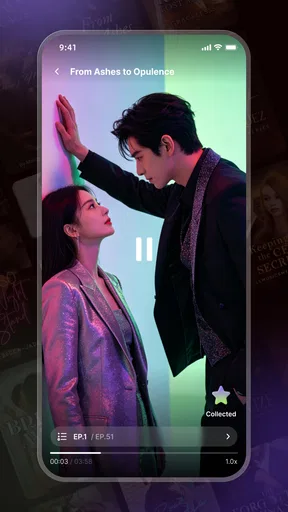
 Analysis by AppCompare
I approached Lunory as an entertainment app for people who want short, easy-to-browse stories rather than a tool for work, study, or communication. Its central promise is simple: help you discover stories, follow fresh episodes, and find selections that feel more organized than endlessly searching through a general video or reading platform. That narrow focus is useful, but it also means the experience depends heavily on whether the available catalog matches your taste.
The app is developed by VetraShort and is listed as free to install. It is suitable for Everyone, which makes it approachable for a broad audience, including families looking for light entertainment. I tested it with the mindset of someone deciding whether it deserves a regular place on a phone, not merely whether it can open and display content. My conclusion is mixed: Lunory has a clear entertainment identity, but its very low average rating of 1.5 from around 45 ratings is an important warning to consider before making it your main story app.
How Lunory fits into everyday entertainment
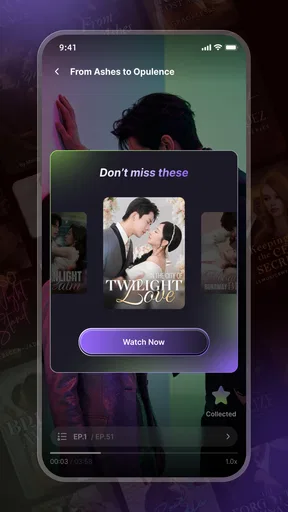
The easiest way to understand Lunory is as a focused discovery space. Instead of treating entertainment as one enormous stream of unrelated clips, it presents itself around captivating stories, new episodes, and selected recommendations. That framing matters when I am in the mood for something with continuity. A general short-video service may give me an entertaining clip, but it can also pull me into unrelated trends. Lunory is more appealing when I want to browse with a story-first intention.
I can imagine opening it during a short break, after dinner, or while waiting for an appointment. The useful question is not whether it replaces every entertainment app, but whether its story-oriented selection helps me decide what to watch or read next with less effort. For that purpose, the concept is understandable and potentially convenient. Its short store description is simply “Lunory,” so the longer summary does most of the work in explaining the intended experience.
That simplicity is both a strength and a weakness. I do not have to learn a complicated productivity system or configure a large collection of tools. On the other hand, the app gives me little reason to expect a deep set of controls, detailed personalization, or the broad variety found in established entertainment platforms. I would install it because I specifically want its curated story approach, not because I expect it to become an all-purpose media library.
The first decision: free access or paid commitment?
The installation itself is free, which makes trying Lunory relatively low-risk from a purchase perspective. That is the clearest value point for a curious user: I can see whether the style, selection, and episode flow suit me before deciding whether it belongs in my routine. The presence of in-app purchases ranging from $4.89 to $299.99 per item changes the calculation, though. Those are not small, uniform add-ons, so I would avoid treating the app as automatically free in practical use.
For me, the right approach would be to begin with the free access and delay any purchase until I understand exactly what content or benefit a payment unlocks. A free download does not by itself establish that every story or episode is available without spending. Since the purchase range is wide, the value of a paid option must be judged against the specific content I want, rather than assumed from the app’s installation price.
Worth Reading Before You Choose

Flipboard Shows What News Apps Must Do Beyond the Feed

Switching to Android Auto Means Rethinking Your Driving Routine

Google Calendar Makes a Crowded Week Easier to Manage

Ludo King Makes the Most of the Minutes Between Plans

Baby Panda World Brings Quick Play to Modern Phones, but Its Game Library Feels Busy

ESPN’s Live Game View Makes Following Close Games Easier
This is especially important for families. The Everyone age rating describes the intended audience, but it does not mean every possible purchase decision is equally suitable for every household budget. I would keep payment decisions with the device owner and review each purchase screen carefully. Anyone who dislikes variable in-app spending should treat Lunory as a try-before-you-buy app and stop at the free experience unless the paid value is clear.
What the story-focused format does well
The strongest idea here is the combination of ongoing episodes and curated picks. Fresh episodes give me a reason to return, while curated selections can reduce the work of finding something worthwhile. In a crowded entertainment category, that editorial layer can be more valuable than simply adding another endless feed. I would rather receive a manageable set of promising choices than spend several minutes skipping through unrelated material.
There is also a practical advantage to separating discovery from commitment. I can browse a selection first, then decide whether a story deserves more attention. That is a better fit for short breaks than opening a large platform with no clear stopping point. If Lunory keeps its presentation focused, it may help users choose entertainment intentionally instead of defaulting to whatever appears first.
My most useful tip is to treat the app as a sampling tool at the beginning. I would try several different picks rather than judging the whole service from the first story shown. A curated catalog can be uneven, and the first recommendation may not represent the range of material available. I would also note which stories actually make me want to continue, because that reveals whether the app is delivering genuine discovery or merely changing the packaging around familiar entertainment habits.
Where the value becomes harder to judge
The main uncertainty is not whether Lunory has an appealing concept; it is whether the available content consistently earns my time or money. A story app lives or dies by the quality and freshness of its material. New episodes sound useful, but frequency alone is not enough if the stories do not fit my interests. Curated picks can save time, but they can also feel restrictive when the selection does not reflect what I want that day.
I would also be cautious about comparing it directly with broad alternatives. A general video platform is usually better when I want maximum variety, familiar creators, or a mature recommendation history. A dedicated reading or serialized-fiction service may be better when I want stronger genre controls, a larger established library, or a reading experience built around long sessions. Lunory makes more sense for someone who values a compact, story-led discovery flow and is willing to explore what it offers.
The low average rating is another tradeoff I would not ignore. Around 45 ratings is not a huge sample, but a 1.5 average still signals that many early users were dissatisfied. It does not tell me which specific problems caused that reaction, so I would not invent a single explanation. I would use it as a reason to test the free experience carefully, avoid assuming polished reliability, and keep expectations realistic.
A realistic daily scenario
Imagine I have ten minutes before leaving for work. I do not want to start a long film, and I am tired of scrolling through unrelated clips. Lunory could be useful if its curated picks let me select a story quickly and continue through an episode without a long search. The app’s value in that moment comes from reducing decision fatigue. I am not asking it to replace my entire entertainment library; I am asking it to give me a focused option for a small window of free time.
Now imagine a different evening. I want a particular genre, a large back catalog, or a dependable way to find content from creators I already follow. In that situation, a larger established service would probably serve me better. Lunory’s appeal is strongest when I am open to discovery. It is weaker when I arrive with a very specific title, creator, or format in mind.
There is a second useful scenario for shared devices. Because the app is rated for Everyone, a household may consider it for general entertainment. I would still preview the available material myself and keep spending controlled. The rating makes the app broadly accessible, but it should not replace a parent’s judgment about what a particular child should watch or read.
Practical ways to test it without overspending
I would use a simple three-step trial. First, explore the free portion long enough to see whether the recommendations feel relevant. Second, follow the flow of more than one story or episode so I can judge continuity rather than a single opening impression. Third, only consider a purchase after identifying the exact benefit and deciding what that benefit is worth to me.
This workflow is more important here because the purchase range extends from $4.89 to $299.99 per item. The difference between those amounts is substantial, so I would never interpret the lower figure as a likely total cost or the higher figure as a required payment. Each item needs its own scrutiny. If I cannot explain what I am receiving and why it improves my experience, I would remain with the free option.
I would also avoid installing it solely because it is free. Free access has value only when the content saves time, provides enjoyable episodes, or offers a discovery experience I cannot get more easily elsewhere. If I keep leaving the app to find better selections, then the absence of an installation fee does not make it a good fit. My time is part of the cost, even when the download costs nothing.
Device compatibility and the current release
Lunory requires Android 6.0 or later, so it is positioned to work with a wide range of Android devices, including older phones that are not running the newest system software. That is convenient for users who do not upgrade frequently. It also means the app may attract people using modest or aging hardware, making a smooth everyday experience particularly important.
The current version is 1.1.1, which places the app in a relatively early stage of its development. I would interpret that as a reason to approach it as a service still establishing its identity, rather than as a fully mature alternative to long-running entertainment platforms. Early releases can improve quickly, but they can also have rough edges that become obvious during regular use. The low rating reinforces my preference for a cautious trial rather than an immediate paid commitment.
For someone asking whether the app is worth keeping installed, my answer depends on repetition. If I regularly find a story I want to continue, the small amount of storage and attention it occupies may be justified. If I open it only to browse briefly and then return to another service, uninstalling it is sensible. The best test is not one successful session but whether it becomes a reliable answer to a recurring entertainment need.
Who is most likely to get value from Lunory?
I would recommend trying it to readers or viewers who enjoy discovering serialized stories without starting from a specific title. It may also suit people who prefer a focused entertainment app over a huge, distracting catalog. The free installation makes experimentation reasonable, provided they are comfortable evaluating in-app purchases carefully and do not assume every desirable option is included.
It could be a good secondary app for someone who already uses a broad entertainment service but wants a separate place for story-led recommendations. That distinction matters. I would not ask Lunory to compete on every dimension; I would use it when its curated approach is the feature I actually want. In that role, even a modest catalog could be useful if the selections consistently match my mood.
I would tell heavy media users to compare it against their existing habits before paying. If they already have a service with excellent recommendations and a large collection of serialized content, Lunory must offer a noticeably better discovery experience to justify attention. The fact that it is free to install lowers the barrier to testing, but it does not automatically create a reason to switch.
Who should probably skip it?
I would skip Lunory if I need a proven, highly rated entertainment platform today. The 1.5 average is too low for me to overlook when there are many alternatives in this broad category. I would also skip it if I dislike in-app purchase models with a wide price range, especially if I want one predictable subscription or one clear upfront payment.
It is also not my first choice for users who want precise control over what they consume. Someone searching for a particular creator, a large genre archive, or a mature library may be happier elsewhere. Lunory’s story discovery angle is not a substitute for breadth. Its best audience is open to the app’s selection; its weakest audience is expecting it to provide everything on demand.
My final judgment on the free trial and paid value
My recommendation is to try Lunory only as a cautious, free entertainment experiment. The story-centered concept is easy to understand, and fresh episodes plus selected recommendations could make short browsing sessions more purposeful. The Everyone rating and Android 6.0 minimum also make it accessible to many users. Those are genuine practical advantages.
Still, I would not recommend spending money immediately. The low average rating, early version, and in-app purchase range from $4.89 to $299.99 per item create too much uncertainty for an unconditional endorsement. I would first confirm that the stories hold my attention, that the episode flow suits my routine, and that any paid item offers a clear benefit. If those conditions are not met, the better choice is to stay with a more established alternative.
In short, Lunory is worth a careful look for curious entertainment users who enjoy curated serialized stories and want to test a free app without committing upfront. It is not the app I would choose blindly, and it is not the right replacement for a broad, dependable media service. My buy-or-skip verdict is simple: try the free experience, protect your budget, and pay only when the specific content proves its value.
VetraShort has created an app with a focused idea rather than an all-purpose entertainment toolbox. That focus may appeal to the right person, but it also leaves little room for inconsistency. If the recommendations and episodes become part of your regular routine, Lunory can earn a place as a secondary source of entertainment. If they do not, the free installation makes walking away easy—and, given the current rating, that cautious attitude is the most sensible way to approach it.
Pros
- Clean
- modern interface makes browsing feel simple and uncluttered.
- Feature-focused layout helps users reach key tools quickly.
- Smooth navigation with minimal distractions throughout the app.
- Sleek visual design gives the experience a polished
- premium feel.
- Useful organization makes important content easier to find.
Cons
- Some advanced options may be difficult to discover at first.
- The minimalist design can feel too sparse for some users.
- Limited customization may disappoint users who prefer personal layouts.
- Feature descriptions may not provide enough guidance for beginners.
- Performance can vary depending on the device and operating system.
FAQs for Lunory-Sleek & Feature-Focused
What is Lunory-Sleek & Feature-Focused?
Lunory-Sleek & Feature-Focused is an app designed around a clean, modern interface and a focused set of practical tools. Its main appeal is simplicity: users can access the essential features without navigating through a cluttered layout. The streamlined design makes it suitable for people who prefer an organized experience and want to understand the app quickly after installation.
Is Lunory-Sleek & Feature-Focused easy to use for beginners?
Yes, the app is generally approachable for beginners because its menus, controls, and main functions are presented in a straightforward way. During testing, the uncluttered layout made it easy to move between sections without spending much time searching for settings. New users may still want to explore the preferences area first, especially if they want to customize how the app behaves.
What features does Lunory-Sleek & Feature-Focused offer?
The app focuses on delivering its core features through a polished and efficient interface rather than overwhelming users with unnecessary extras. Depending on the version available on your device, the experience may include customization options, organized navigation, quick access to important tools, and performance-oriented settings. It is worth checking the current store description because features can change with future updates.
Does Lunory-Sleek & Feature-Focused require an internet connection?
Whether an internet connection is required depends on the specific feature you are using. Basic navigation and some locally stored functions may work offline, while online content, synchronization, updates, or connected services can require Wi-Fi or mobile data. Before relying on the app while traveling or in areas with limited coverage, test the functions you need and review its permission and connectivity requirements.
Is Lunory-Sleek & Feature-Focused free to download and safe to install?
The download price and any optional in-app purchases may vary by platform, region, or app version, so users should confirm the details on the official Google Play Store or Apple App Store listing. For safety, install only the legitimate version published through those stores, review requested permissions, and check the developer information and recent user reviews before granting access to personal data or device features.


